
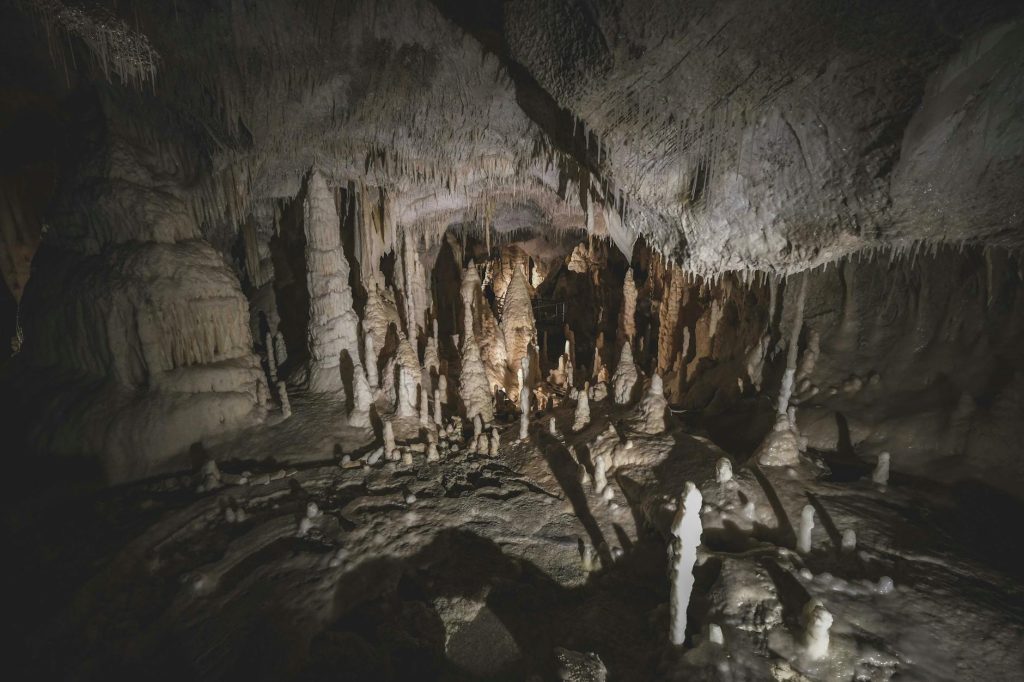
In June 2018, a seemingly ordinary outing by a youth soccer team in northern Thailand turned into one of the most complex and dramatic rescue operations in modern history. What began as an afternoon exploration of the Tham Luang cave system quickly escalated into a global crisis when rising floodwaters trapped twelve boys and their coach deep underground. The incident drew international attention, mobilizing experts from around the world and showcasing the power of coordination, resilience, and human determination. Today, the story remains a defining example of crisis response and collective effort, widely studied across disciplines and platforms such as https://icrglabs.com/ for its strategic and operational insights.
The Tham Luang cave, located in Chiang Rai province near the Myanmar border, is known for its winding tunnels and seasonal flooding. On June 23, 2018, the Wild Boars soccer team entered the cave after practice, unaware that monsoon rains would soon block their exit. As water levels rose rapidly, the group retreated deeper into the cave, eventually becoming stranded approximately four kilometers from the entrance.
When the boys failed to return home, families alerted local authorities, triggering an urgent search operation. Initial rescue efforts were hampered by the cave’s geography and the speed at which floodwaters filled its chambers. Visibility was near zero, currents were strong, and the narrow passages made navigation extremely dangerous. What followed was a race against time, with oxygen levels dropping and the risk of further flooding increasing daily.
The Search That Turned Into a Global Mission
As days passed without contact, the situation grew increasingly dire. Thai Navy SEALs were among the first responders, entering the cave despite hazardous conditions. However, the complexity of the terrain required specialized expertise, prompting Thailand to seek international assistance. Soon, cave divers from the United Kingdom, Australia, the United States, and other countries joined the effort.

British divers Rick Stanton and John Volanthen played a pivotal role in the search phase. Known for their experience in cave diving, they navigated flooded tunnels and tight passages that were inaccessible to most rescuers. On July 2, after more than a week of searching, they made a breakthrough—locating all thirteen members of the group alive on a muddy ledge deep within the cave.
The moment was both a relief and a new challenge. While the boys were found, extracting them safely presented an even greater obstacle. Many of the children had no swimming or diving experience, and the journey out required navigating submerged sections of the cave with limited visibility and tight spaces.
Rescuers quickly began delivering food, medical supplies, and oxygen tanks to stabilize the group. Communication lines were established, and plans were developed to train the boys for the difficult journey ahead. At the same time, engineers and volunteers worked tirelessly outside the cave to pump out water and divert rain flows in an effort to reduce flooding.
The operation highlighted an unprecedented level of international cooperation. Experts in hydrology, engineering, medicine, and logistics collaborated to develop solutions in real time. Despite language barriers and differing operational protocols, teams worked seamlessly toward a common goal—bringing the boys home safely.
Engineering a Rescue Against Impossible Odds
As the situation evolved, multiple rescue strategies were considered. One option involved waiting months for floodwaters to recede, but this posed significant risks due to declining oxygen levels and potential health complications. Another approach involved drilling into the cave from above, but the terrain made this highly uncertain.

Ultimately, authorities chose a high-risk plan: guiding each boy through the flooded cave using experienced divers. This approach required careful coordination and precise execution. Each child would be accompanied by two divers, one leading and one following, ensuring constant support throughout the journey.
To minimize panic and ensure safety, the boys were given mild sedatives during the extraction process. This controversial but necessary decision allowed divers to maintain control in the challenging underwater environment. Full-face masks were used to provide a steady air supply, and each movement was carefully choreographed to navigate the cave’s narrow and twisting passages.
The rescue operation began on July 8 and took place over three days. Teams worked in shifts, transporting the boys one by one through the submerged sections of the cave. The process was physically and mentally exhausting, requiring precision and unwavering focus.
Tragically, the mission was not without loss. Former Thai Navy SEAL Saman Kunan died during the operation while delivering oxygen tanks, underscoring the extreme risks involved. His sacrifice became a symbol of the courage and dedication displayed by everyone involved in the rescue.
Despite the challenges, the operation was ultimately successful. By July 10, all twelve boys and their coach had been safely extracted. The final phase of the mission involved removing remaining rescuers and equipment, marking the end of a historic and highly complex operation.
A Story of Resilience, Leadership, and Global Unity
In the aftermath of the rescue, the world reflected on the extraordinary efforts that made it possible. The operation demonstrated the importance of leadership, adaptability, and collaboration in crisis situations. Thai authorities coordinated effectively with international teams, ensuring that expertise was utilized efficiently and decisions were made swiftly.

The boys themselves showed remarkable resilience. Having spent over two weeks in darkness with limited food and oxygen, they maintained composure and followed instructions that ultimately saved their lives. Their coach also played a critical role, helping the group conserve energy and remain calm during the ordeal.
The rescue also sparked discussions about risk management and preparedness. Authorities implemented new safety measures to prevent similar incidents, including improved warning systems and restricted access to caves during the monsoon season. The event highlighted the need for better public awareness of natural hazards and the importance of proactive planning.
From a technological perspective, the operation showcased the role of innovation in emergency response. Advanced diving equipment, communication tools, and water management systems were essential to the mission’s success. The integration of these technologies with human expertise created a model for future rescue operations.
Media coverage played a significant role in shaping public perception of the event. The story captivated audiences worldwide, generating widespread support and attention. However, it also raised questions about the balance between transparency and operational security during high-stakes missions.
Years later, the Thai cave rescue continues to be studied as a case of effective crisis management. It serves as a reminder of what can be achieved when individuals from diverse backgrounds unite with a shared purpose. The operation not only saved thirteen lives but also demonstrated the potential of global cooperation in the face of adversity.
Ultimately, the story is more than a rescue—it is a testament to human resilience and the power of collective action. In a world often divided by differences, the events in Thailand offered a rare moment of unity, proving that even in the most challenging circumstances, collaboration and determination can overcome seemingly impossible odds.
Related Reading
- Unsung Bravery: Rediscovering the Overlooked Heroes of World War II
- Real-Life Stories of Courage and Strength That Continue to Inspire Generations
- Breaking Developments Across the World: Key Events Shaping the Global Landscape in 2026