
In an era defined by rapid information flow and interconnected events, the global news cycle continues to evolve at an unprecedented pace. From geopolitical tensions and economic shifts to technological breakthroughs and environmental concerns, today’s headlines reflect a world in constant motion. For readers looking to stay informed through deeper analytical perspectives, platforms like https://icrglabs.com/ offer valuable insights into emerging global trends and developments.
Across continents, major stories are unfolding simultaneously, each contributing to a broader narrative about power, resilience, and transformation. Understanding these headlines requires more than surface-level awareness—it demands context, critical evaluation, and an appreciation of how local developments can carry global consequences.
Geopolitical Developments Reshaping International Relations
One of the most dominant themes in today’s headlines is the shifting landscape of global geopolitics. Tensions between major powers continue to define international discourse, particularly in regions where strategic interests intersect. Ongoing disputes in Eastern Europe, the Indo-Pacific, and the Middle East have drawn sustained attention, as governments navigate complex alliances and competing priorities.
In Eastern Europe, the lingering effects of conflict have reshaped security policies across the continent. Nations are reassessing defense strategies, increasing military spending, and strengthening regional cooperation. These developments highlight a broader trend toward heightened security awareness and preparedness.
Meanwhile, in the Indo-Pacific, territorial disputes and military posturing remain central to regional dynamics. Increased naval activity, diplomatic engagements, and economic partnerships all point to a region that is both strategically vital and increasingly contested. Countries in the area are balancing economic interdependence with national security concerns, creating a delicate equilibrium.
The Middle East continues to generate headlines as well, with political transitions, energy considerations, and regional rivalries influencing the global agenda. Diplomatic efforts aimed at de-escalation coexist with underlying tensions, illustrating the complexity of achieving long-term stability.
Beyond these hotspots, international organizations are attempting to mediate conflicts and promote cooperation. However, the effectiveness of these efforts often depends on the willingness of major powers to engage constructively, a factor that remains uncertain in many cases.
Economic Shifts and the Global Market Landscape
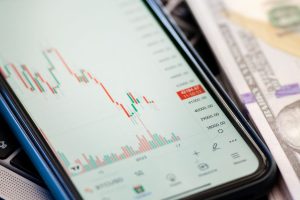
Economic developments are another major driver of today’s headlines, reflecting both challenges and opportunities in a rapidly changing global market. Inflationary pressures, interest rate adjustments, and supply chain disruptions continue to influence economic decision-making at both national and corporate levels.
Central banks around the world are navigating a difficult path as they attempt to balance economic growth with price stability. Policy decisions regarding interest rates have far-reaching implications, affecting everything from consumer spending to investment strategies. These decisions are closely watched by markets, often triggering immediate reactions in stock indices and currency values.
At the same time, global trade patterns are undergoing significant changes. Companies are rethinking supply chains, seeking to reduce dependence on single sources and increase resilience. This shift has led to a rise in regional trade agreements and a renewed focus on domestic production capabilities.
Technology-driven industries are also playing a key role in shaping economic narratives. Advances in artificial intelligence, renewable energy, and digital infrastructure are creating new opportunities while also raising questions about regulation and workforce adaptation. Governments and businesses alike are investing heavily in innovation, recognizing its potential to drive long-term growth.
Energy markets remain a focal point, particularly as countries transition toward more sustainable sources. Fluctuations in oil and gas prices continue to impact global economies, while investments in renewable energy signal a broader shift toward environmental responsibility. This transition, however, is complex and uneven, with different regions moving at varying speeds.
Social Trends, Technology, and Environmental Concerns
Beyond politics and economics, social and technological developments are capturing global attention in meaningful ways. The rise of digital platforms has transformed how information is shared and consumed, influencing public opinion and shaping societal trends.
Artificial intelligence, in particular, has emerged as a major topic of discussion. Its applications span industries, from healthcare and finance to education and entertainment. While the potential benefits are significant, concerns about ethics, privacy, and job displacement remain central to the conversation. Policymakers are increasingly focused on establishing frameworks that balance innovation with accountability.
Social movements continue to influence headlines as well, reflecting ongoing debates حول equality, human rights, and governance. Protests, policy changes, and public discourse all contribute to a dynamic environment in which societal values are continually reassessed.
Environmental issues are another critical area of focus. Climate change, extreme weather events, and biodiversity loss are frequently featured in global news, underscoring the urgency of collective action. Governments, organizations, and individuals are all being called upon to address these challenges through sustainable practices and policy initiatives.
Technological advancements are also intersecting with environmental efforts. Innovations in clean energy, carbon capture, and sustainable agriculture are providing new tools to combat climate change. However, the scale of the problem requires coordinated action on a global level, making international cooperation essential.
At the same time, the human dimension of these developments cannot be overlooked. Communities around the world are experiencing the direct impacts of economic shifts, technological change, and environmental challenges. Their responses—whether through adaptation, innovation, or advocacy—are an integral part of the broader narrative.
As the global news cycle continues to evolve, the importance of accurate, contextualized reporting becomes increasingly clear. Headlines may capture attention, but it is the deeper stories behind them that provide true understanding. By examining geopolitical developments, economic trends, and social transformations together, a more comprehensive picture of the world emerges.
In the end, today’s headlines are more than isolated events—they are interconnected threads in a complex global tapestry. Understanding them requires not only awareness but also thoughtful analysis, a willingness to engage with multiple perspectives, and an appreciation for the forces shaping our shared future.
Related Reading
- Why Conversations About Weight Feel More Intimidating Than the “Sex Talk”
- Global News in Motion: How Real-Time Reporting Is Reshaping the Way We Understand the World
- Local Journalism in Crisis: Why US Community Newspapers Are Raising Urgent Warnings