Tesla’s Declining Sales and Share Price
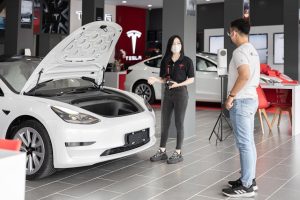
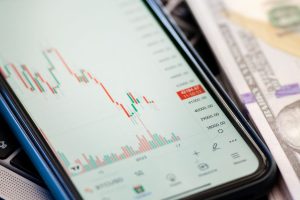
Tesla’s once-unshakable dominance in the electric vehicle (EV) market is facing mounting pressure as the company grapples with declining sales and a sharp drop in its stock price. Earlier this year, Tesla hit a four-year low in U.S. sales, a trend that has raised alarms among investors and analysts. The company’s financial performance has deteriorated significantly, with its stock price falling nearly 20% year to date, signaling a loss of confidence even among its most loyal supporters. Despite its lofty valuation of over $1 trillion, Tesla’s financials have struggled to support its market position, leaving many to question whether the company can sustain its current trajectory.
The decline in sales has been exacerbated by intensifying competition in the EV sector, with traditional automakers and emerging startups gaining ground. Analysts warn that Tesla’s challenges are far from over, as the company’s pivot toward artificial intelligence (AI) and humanoid robotics has diverted resources from its core business. This shift has left Tesla’s EV operations vulnerable, particularly in markets outside the U.S., where competition is fierce and demand is fragmented. For instance, in Europe and China, Tesla faces stiff competition from local brands that have adapted more effectively to regional consumer preferences and regulatory environments.
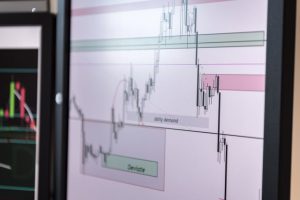
Investors and financial institutions are growing increasingly skeptical of Tesla’s long-term viability. HSBC analyst Mike Tyndall recently reiterated a “reduce” rating on Tesla, predicting its stock could plummet from its current price of around $365 to as low as $131 within a year—a staggering 60% drop. This forecast, which does not even account for Tesla’s previous high of $480, underscores the depth of concern about the company’s ability to recover. Tyndall argues that Tesla is overestimating its global growth potential in the EV market, a misjudgment that could have severe consequences for its financial health.
Cybercab Production and FSD Approval Challenges
Tesla’s ambitious plans for its Cybercab, a two-seater robotaxi, are facing significant hurdles as the company struggles to scale production. Officials have indicated that mass production of the vehicle is set to begin next month, marking a critical test of Tesla’s ability to transition from a traditional automaker to a leader in autonomous transportation. However, the Cybercab’s development has been plagued by delays and technical challenges, raising questions about whether Tesla can deliver on its promises. The project is a cornerstone of CEO Elon Musk’s vision to revolutionize urban mobility, but its success hinges on overcoming both engineering and logistical obstacles.
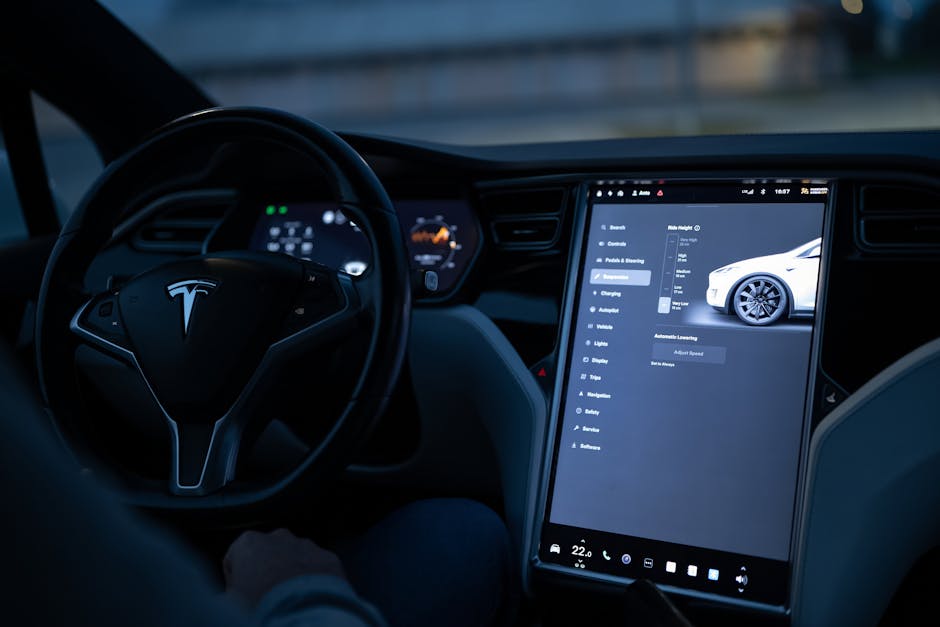
A major roadblock for Tesla is its Full Self-Driving (FSD) feature, which remains a contentious issue in international markets. The company is currently awaiting regulatory approval for the feature in the Netherlands, a key test case for its global expansion. If the Netherlands grants approval, the European Union could follow later this summer, as Tesla claims. However, the approval process is far from guaranteed, with regulators scrutinizing the safety and reliability of Tesla’s autonomous systems. The FSD feature, which is marketed as an advanced driver assistance system, has faced criticism for its misleading name and potential risks to public safety.
The regulatory challenges extend beyond the Netherlands, as Tesla seeks to roll out its autonomous driving technology in other regions. Electrek reports that if regulators deny Tesla’s application, it could signal a broader crackdown on the company’s ambitions in the global autonomous driving market. This uncertainty poses a significant threat to Tesla’s plans to establish itself as a leader in AI-driven transportation. Without clear regulatory support, the company’s efforts to pivot from EVs to robotics and AI may falter, further straining its already fragile financial position.
Pressure from Q1 Report and International Competition
The upcoming release of Tesla’s first-quarter deliveries on Thursday will be a crucial moment for the company, as it faces immense pressure to demonstrate signs of recovery. Wall Street analysts are closely watching for a slight rebound in EV sales year over year, a metric that could influence investor sentiment and stock performance. However, Tesla’s ability to meet these expectations remains uncertain, given the ongoing challenges in its core business. The company is relying heavily on its humanoid robot and robotaxi services to reverse its fortunes, but these ventures are still in early stages and have not yet generated significant revenue.
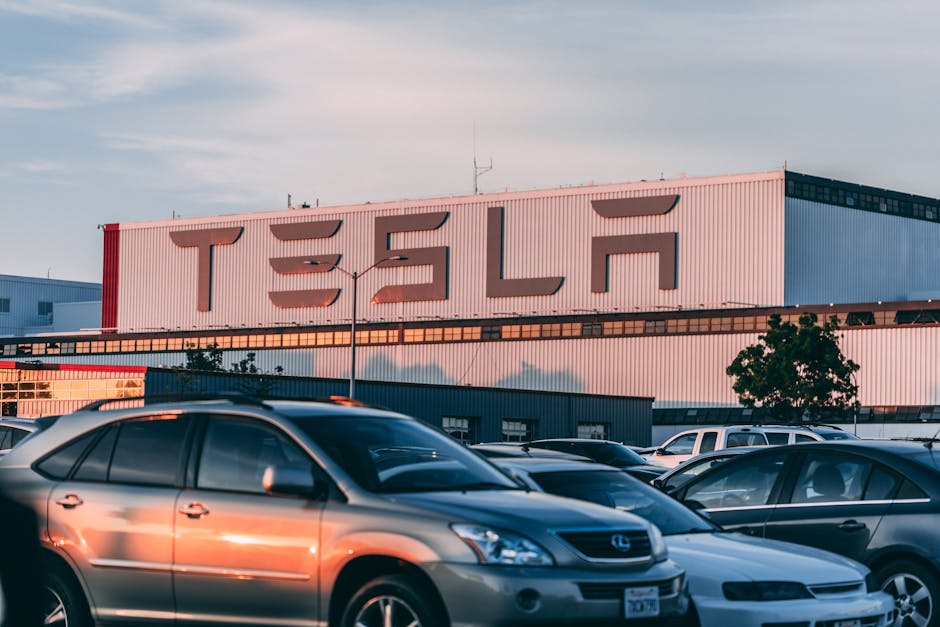
International competition continues to erode Tesla’s market share, particularly in Europe and China, where local automakers have made strides in EV production and innovation. In Europe, companies like Volkswagen and BMW are investing heavily in sustainable technologies, while Chinese firms such as BYD and NIO are gaining traction with cost-effective EV models tailored to regional markets. Tesla’s struggle to adapt to these competitive dynamics has left it vulnerable, especially as consumer preferences shift toward more affordable and locally produced vehicles. The company’s reliance on U.S. markets has further limited its ability to diversify its revenue streams, making it more susceptible to economic downturns and supply chain disruptions.
With the clock ticking on Tesla’s ability to turn things around, the company faces a precarious balancing act. Its pivot to AI and robotics is a bold move, but it requires substantial investment and time to materialize. Meanwhile, the continued decline in EV sales and the uncertainty surrounding its autonomous driving ambitions threaten to further destabilize its financial position. Tesla’s survival may depend on its ability to innovate, adapt, and regain investor confidence, all while navigating an increasingly complex and competitive global market.
Conclusion
The upcoming release of Tesla’s first-quarter deliveries on Thursday will be a crucial moment for the company, as it faces immense pressure to demonstrate signs of recovery. Wall Street analysts are closely watching for a slight rebound in EV sales year over year, a metric that could influence investor sentiment and stock performance. However, Tesla’s ability to meet these expectations remains uncertain, given the ongoing challenges in its core business. The company is relying heavily on its humanoid robot and robotaxi services to reverse its fortunes, but these ventures are still in early stages and have not yet generated significant revenue.
International competition continues to erode Tesla’s market share, particularly in Europe and China, where local automakers have made strides in EV production and innovation. In Europe, companies like Volkswagen and BMW are investing heavily in sustainable technologies, while Chinese firms such as BYD and NIO are gaining traction with cost-effective EV models tailored to regional markets. Tesla’s struggle to adapt to these competitive dynamics has left it vulnerable, especially as consumer preferences shift toward more affordable and locally produced vehicles. The company’s reliance on U.S. markets has further limited its ability to diversify its revenue streams, making it more susceptible to economic downturns and supply chain disruptions.
With the clock ticking on Tesla’s ability to turn things around, the company faces a precarious balancing act. Its pivot to AI and robotics is a bold move, but it requires substantial investment and time to materialize. Meanwhile, the continued decline in EV sales and the uncertainty surrounding its autonomous driving ambitions threaten to further destabilize its financial position. Tesla’s survival may depend on its ability to innovate, adapt, and regain investor confidence, all while navigating an increasingly complex and competitive global market.
Read more: The AI Revolution is Reshaping Venture Capital: Surge in Seed Valuations and Rising Expectations