

Nissan’s AI-Integrated Autonomy Trials Signal Shift in Automotive Strategy
Nissan Motor has announced plans to integrate AI-driven autonomous systems into approximately 90% of its future vehicle models, marking a pivotal step in its strategy to compete in the evolving automotive landscape. The company’s testing phase, which began in September 2025, involves real-world trials of self-driving technology capable of handling complex urban and highway environments. This initiative aligns with Japan’s broader push to position itself as a global leader in intelligent mobility solutions.
The trials, conducted in partnership with local municipalities, focus on refining AI algorithms to adapt to unpredictable traffic scenarios, such as pedestrian crossings and sudden weather changes. Nissan’s goal is to achieve a 25% market share in self-driving vehicles by 2030, a target deemed achievable given Japan’s current dominance in automotive innovation. These efforts are part of a larger industry-wide shift, with Nissan emphasizing that AI will not only enhance safety but also reduce operational costs through optimized route planning and energy efficiency.
The company’s roadmap underscores a commitment to merging cutting-edge technology with traditional manufacturing expertise.
Government Backs Self-Driving Tech as Part of National Growth Strategy
Japan’s government has unveiled a draft plan to provide financial incentives for companies investing in self-driving technology, aiming to accelerate the commercialization of autonomous vehicles. The initiative, announced on April 16, includes subsidies for research and development, as well as tax breaks for manufacturers adopting AI-driven systems. This support is part of a broader “Growth Roadmap” targeting 34 strategic sectors, with self-driving tech designated as a key pillar for economic expansion.
The plan’s scope extends beyond automotive, encompassing industries like food processing and cultural exports, reflecting Tokyo’s desire to diversify its economic growth. However, the government has acknowledged the need for industry collaboration, with Deputy Chief Cabinet Secretary Masanao Ozaki urging feedback from stakeholders to refine the strategy. This call for input highlights the challenges of balancing innovation with regulatory oversight.
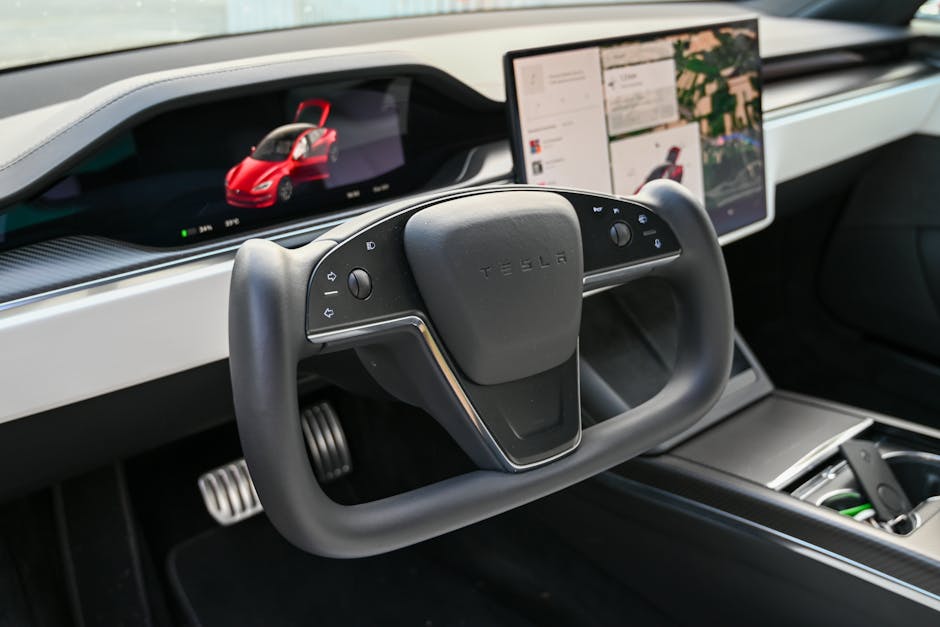
Nissan’s progress in AI integration has drawn attention, particularly after a Tesla Model S 2024 completed a 4,900km cross-U.S. journey using full self-driving mode. While Japan’s approach remains cautious, the government’s financial backing signals confidence in its ability to compete globally.
Autonomous Tech Faces Global Rivalry as Japan Seeks Strategic Edge
The race to dominate self-driving technology has intensified, with Japan’s government and Nissan positioning themselves as key players in a global market dominated by U.S. and Chinese firms. Nissan’s AI-driven systems, combined with Japan’s financial incentives, aim to counter the rapid advancements of competitors like Tesla and Waymo.
However, challenges such as regulatory hurdles and public trust in AI remain critical obstacles. Nissan’s focus on hybrid systems—combining AI with human oversight—distinguishes its approach from fully autonomous models. This strategy seeks to address safety concerns while maintaining control over critical decision-making processes.
Meanwhile, Japan’s government faces pressure to ensure its support mechanisms are both effective and equitable, avoiding the pitfalls of fragmented policies seen in other nations. As the industry races toward a future where self-driving vehicles redefine transportation, Japan’s ability to harmonize innovation with regulation will determine its success. The coming years will test whether its strategic investments can translate into sustained global leadership.
Conclusion
Japan’s push for AI-driven autonomy reflects a bold attempt to secure its place in the next era of mobility, but the path is fraught with challenges. Nissan’s trials and government incentives highlight the potential of this technology, yet the balance between innovation and regulation remains a defining tension. As global competition intensifies, Japan’s success will hinge on its ability to navigate these complexities while staying ahead of the curve.
See related coverage: Scientists Discover Strange Property of Rice and Turn It Into a Smart Material