
Iran Declares Hormuz Open Amid Ceasefire with Israel and Lebanon
Iran’s foreign minister announced the Strait of Hormuz would be fully open to commercial traffic during the ceasefire between Israel and Lebanon, a move intended to ease regional tensions. The declaration, made via a social media post, emphasized that vessels must follow a “coordinated route” set by Iranian maritime authorities, a condition aimed at ensuring compliance with the ceasefire terms. The decision came days after Israel and Lebanon agreed to a 10-day truce, which was brokered amid ongoing disputes over Iran’s influence in the region.
The timing of the announcement coincided with a critical moment in U.S.-Iran negotiations, as Washington and Tehran remained locked in a standoff over the terms of the ceasefire. Iranian officials framed the strait’s reopening as a gesture of goodwill, though critics warned it could be a strategic maneuver to test the limits of international pressure. The move also raised questions about the effectiveness of the ceasefire, which had already faced skepticism due to the continued Israeli military operations in Lebanon.
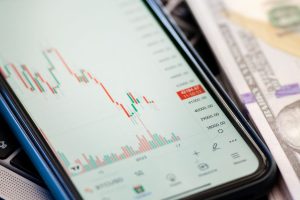
The declaration’s immediate impact was felt in global energy markets, where oil prices began to fluctuate in response to the geopolitical shift. However, the strait’s partial closure during previous U.S.-Iran ceasefire periods cast doubt on the reliability of the new arrangement. Analysts noted that the coordinated route requirement could complicate shipping logistics, potentially limiting the practical benefits of the announcement.
U.S. Naval Blockade Persists as Oil Prices Plunge Over 11%
President Donald Trump praised Iran’s decision to open the strait but reiterated the U.S. naval blockade of Iranian ports, stating it would remain in place until a formal agreement with Tehran was reached. The administration’s stance underscored the deepening rift between the two nations, as Washington viewed Iran’s actions as insufficient to resolve the broader conflict.
Trump’s comments also highlighted the U.S. commitment to its allies, including Israel, whose military campaign in Lebanon against Hezbollah remained a key sticking point in negotiations. The announcement triggered a sharp drop in oil prices, with benchmarks falling over 11% as traders anticipated increased maritime activity in the strait.
However, the market’s reaction was tempered by the knowledge that the strait had remained largely closed during previous ceasefire periods. The discrepancy between Iran’s declaration and the reality of restricted passage raised concerns about the feasibility of the new arrangement, particularly given the ongoing disputes over the ceasefire’s terms. Iran’s parliamentary speaker, Mohammad Bagher Ghalibaf, accused the U.S.
Ceasefire Disputes and Failed Talks Leave Iran-U.S. Tensions Unresolved
Despite the ceasefire agreement, the U.S. and Iran’s conflicting interpretations of its terms have kept the region in a state of uncertainty. The strait’s partial closure during past truces suggested that the current arrangement might not fully address the underlying tensions, particularly regarding Iran’s influence in Lebanon.
The failed negotiations between Vice President JD Vance and Ghalibaf in Pakistan further underscored the difficulty of bridging the gap between the two nations’ priorities. The U.S. administration’s insistence on maintaining the naval blockade highlighted its unwillingness to compromise on key demands, while Iran’s conditional opening of the strait appeared to be a calculated move to assert agency in the negotiations.
The strait’s reopening, though symbolic, did little to resolve the deeper disagreements over the ceasefire’s implementation, leaving both sides to navigate a precarious balance of diplomacy and military posturing. As talks loom for a potential second round in Pakistan, the stakes remain high. The success of the ceasefire—and the broader U.S.-Iran détente—will depend on whether both sides can reconcile their divergent interests.
Conclusion
Iran’s declaration to open the Strait of Hormuz during the ceasefire marked a pivotal moment in the U.S.-Iran standoff, yet the unresolved disputes over the agreement’s terms and the continued naval blockade underscore the fragility of the truce. As negotiations persist, the strait’s status remains a barometer of the broader geopolitical tensions, with global oil markets and regional stability closely tied to the outcome.
Related story: The AI Revolution is Reshaping Venture Capital: Surge in Seed Valuations and Rising Expectations