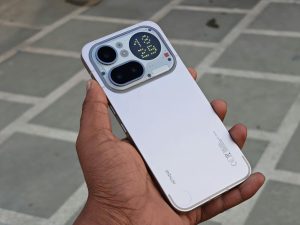
The Hottest Tech Gadgets and Breakthrough Innovations Defining Today’s Market
In 2026, the pace of technological innovation has accelerated to a point where new gadgets are not just tools—they are extensions of how people live, work, and think. From AI-powered personal devices to smart home ecosystems and wearable health tech, the latest wave of innovation is reshaping daily life in subtle but profound ways. Consumers are no longer chasing novelty alone; they are seeking efficiency, personalization, and seamless integration across platforms. Platforms like https://icrglabs.com/ reflect this shift, highlighting how cutting-edge developments are becoming more accessible and practical for everyday users.
The modern gadget landscape is driven by convergence. Devices are no longer isolated products but interconnected systems designed to communicate with each other. This interconnectedness has created a new standard for user experience—one where convenience, automation, and intelligence are expected rather than optional. As a result, the most trending gadgets today are those that can anticipate needs, reduce friction, and enhance productivity without overwhelming the user.
AI-Powered Devices Are Redefining Everyday Technology
Artificial intelligence has moved beyond software and into the physical world, transforming how devices function and interact with users. In 2026, AI is no longer a background feature—it is the core engine behind many of the most popular gadgets on the market. Smartphones, laptops, and even household appliances now come equipped with advanced AI capabilities that learn user behavior and adapt accordingly.
One of the most notable developments is the rise of AI-driven personal assistants embedded directly into devices. These assistants are no longer limited to simple commands; they can now manage schedules, summarize information, generate content, and even make predictive suggestions based on user habits. This level of intelligence allows users to save time and make more informed decisions without constant manual input.
Smart glasses and augmented reality devices are also gaining traction. Unlike earlier versions that struggled with practicality, newer models are lightweight, efficient, and deeply integrated with AI systems. They provide real-time information overlays, navigation assistance, and even live translations, making them valuable tools for both personal and professional use.
In the workplace, AI-enhanced gadgets are improving productivity and collaboration. Smart meeting tools can transcribe conversations, highlight key points, and generate action items automatically. This reduces the need for manual note-taking and allows teams to focus on more meaningful interactions.
Another key area of growth is AI in creative tools. Devices designed for content creators now include built-in AI features that assist with video editing, graphic design, and audio production. These tools lower the barrier to entry for creative work, enabling more people to produce high-quality content with minimal technical expertise.
Smart Living and Connected Ecosystems Take Center Stage
The concept of the smart home has evolved into something far more sophisticated. In 2026, connected ecosystems are becoming the norm rather than the exception. Devices across the home—lighting, security, entertainment, and climate control—are now part of unified systems that can be managed through a single interface.
Voice control remains a popular method of interaction, but it is increasingly supplemented by automation. Homes can now adjust lighting based on time of day, regulate temperature according to occupancy patterns, and even optimize energy usage to reduce costs. These systems are designed to operate in the background, creating a seamless living environment that requires minimal user intervention.
Security technology has also seen significant advancements. Smart surveillance systems now use AI to distinguish between routine activity and potential threats, reducing false alarms and improving response times. Facial recognition, motion tracking, and real-time alerts provide homeowners with greater control and peace of mind.
Entertainment systems have become more immersive as well. High-resolution displays, spatial audio, and adaptive streaming technologies are delivering cinema-quality experiences at home. Integration with gaming platforms and virtual reality systems further enhances the entertainment landscape, making it more interactive and engaging.
Wearable technology is another critical component of the connected ecosystem. Devices such as smartwatches and fitness trackers are no longer limited to step counting. They now monitor a wide range of health metrics, including heart rate variability, sleep quality, and stress levels. This data is often integrated with other smart devices, creating a holistic view of personal wellbeing.
Transportation is also becoming part of the smart ecosystem. Electric vehicles and connected mobility solutions are equipped with advanced sensors and AI systems that improve safety, navigation, and energy efficiency. These innovations are not only transforming how people travel but also how cities are designed and managed.
Emerging Innovations Shaping the Future of Consumer Tech
Beyond everyday gadgets, a new wave of emerging innovations is beginning to shape the future of technology. These developments may not yet be fully mainstream, but they are gaining attention for their potential to redefine industries and consumer expectations.
One of the most exciting areas is the advancement of wearable computing beyond traditional devices. Smart fabrics and embedded sensors are being developed to integrate technology directly into clothing. These innovations could revolutionize health monitoring, sports performance, and even workplace safety by providing continuous, unobtrusive data collection.
Another promising trend is the growth of sustainable technology. Consumers are becoming more conscious of environmental impact, and manufacturers are responding with eco-friendly designs and materials. Devices are being built with longer lifespans, modular components, and recyclable materials, reducing electronic waste and promoting sustainability.
Battery technology is also undergoing significant improvements. Longer-lasting batteries and faster charging capabilities are addressing one of the most common limitations of modern devices. Some companies are even exploring alternative energy sources, such as solar integration, to further enhance device independence.
Robotics is entering the consumer space in new ways. From automated home assistants to personal delivery robots, these devices are becoming more practical and affordable. They are designed to handle routine tasks, freeing up time for users to focus on more meaningful activities.
In healthcare, innovation is being driven by the integration of technology and medicine. Portable diagnostic devices, remote monitoring tools, and AI-assisted analysis are making healthcare more accessible and efficient. These gadgets enable early detection of health issues and support ongoing management of chronic conditions.
Finally, the concept of digital ownership is evolving through technologies such as blockchain. While often associated with finance, blockchain is now being used to secure digital identities, manage data privacy, and verify authenticity in various applications. This adds a new layer of trust and transparency to the digital ecosystem.
As these innovations continue to develop, the line between technology and everyday life will become increasingly blurred. Gadgets will not just serve specific functions but will become integral parts of a broader, interconnected system that supports every aspect of modern living.
The trends shaping today’s gadget market are not driven solely by technological capability but by changing user expectations. People want devices that are intuitive, efficient, and aligned with their lifestyles. They value products that simplify complexity rather than add to it.
At the same time, there is a growing emphasis on balance. While technology offers immense benefits, there is also a recognition of the need to use it thoughtfully. Features that promote digital wellbeing, such as screen time management and focus modes, are becoming standard in many devices.
In conclusion, the most trending gadgets and innovations of 2026 reflect a deeper shift toward integration, intelligence, and sustainability. They are not just about what technology can do, but about how it can improve quality of life in meaningful ways. As these trends continue to evolve, they will shape not only the future of technology but also the way people interact with the world around them.
Related Reading
- Classic Cars on the Silver Screen: What Retro Movies Reveal About Automotive Icons
- How Digital Transformation Is Reshaping Everyday Life in Subtle and Profound Ways
- Key Developments from Leading Tech Giants: What the Latest Updates Mean for Users and Markets